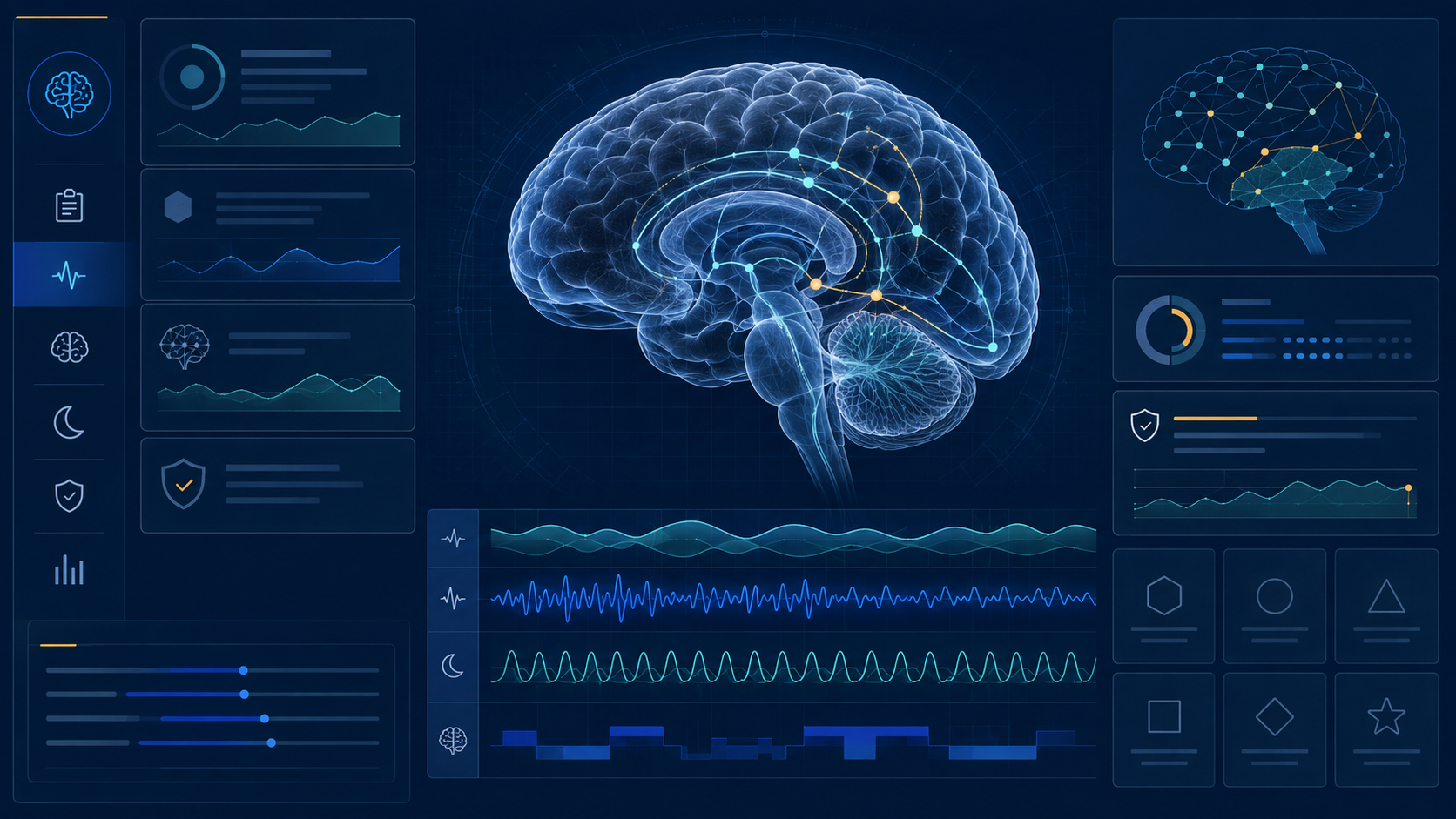
PatientTrac Mind is a purpose-built Neurobehavioral Health EMR — psychiatry, psychology, therapy, and neurology in one record — with assistive, clinician-reviewed AI, structured mental-status and neurologic exams, a license-aware validated-scale library, secure telehealth, and standards-based insurance claim generation. Clinician-built since 1998.
Structured psychiatry, psychology, therapy, and neurology documentation, a license-aware validated-scale library, and assistive, clinician-reviewed AI — together in one neurobehavioral record.
From a VB6 clinic EMR serving Mid-Atlantic practices in 1998 to a cloud-native, AI-assisted neurobehavioral platform for 2026 — PatientTrac has always been built by clinicians, for clinicians.
Supported by the PatientTrac Clinical Terminology Repository — clinical knowledge built over decades, modernized from the original PatientTrac TERMS platform. Not adapted from a generic EMR.
PatientTrac Mind extends structured clinical documentation beyond psychiatric medication management. Psychologists and therapists document evaluations, treatment goals, therapeutic interventions, patient response, clinical progress, safety findings, and follow-up plans within the same longitudinal record used across the PatientTrac Clinical Network.
Assessment results, psychosocial history, mental-status findings, risk indicators, diagnoses, treatment plans, and TeleMed encounters remain connected — giving every authorized member of the care team a more complete understanding of the patient's progress.
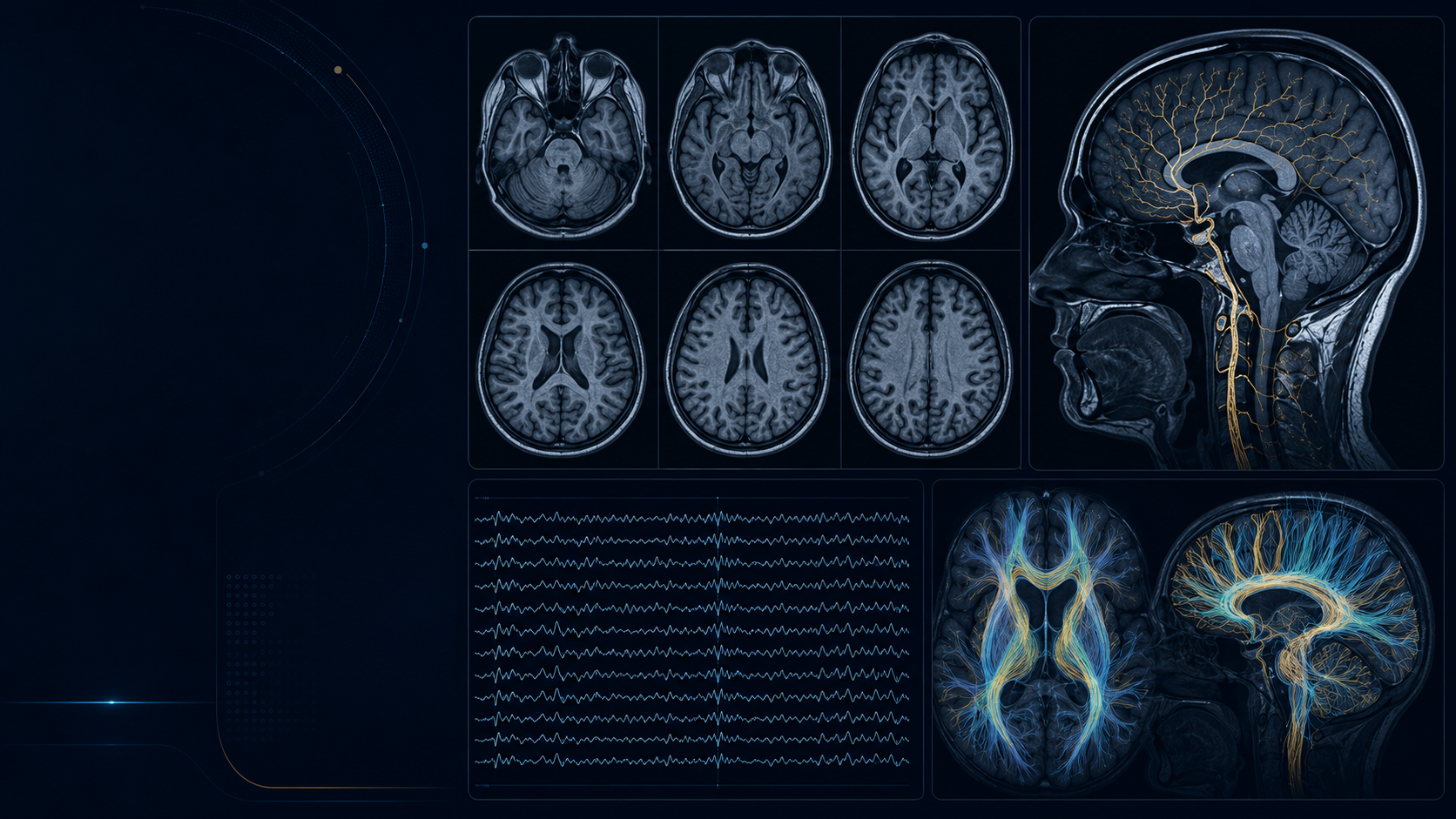
A full Neurology clinical pillar sits alongside the behavioral-health record: operational queues, patient encounters, diagnostic categories, structured examinations, scales, and documentation actions. Safety-critical findings remain structured while narrative fields preserve diagnostic reasoning.
Clinical decision-support prompts and AI features are assistive and clinician-reviewed. They surface red flags and documentation reminders; they do not autonomously diagnose, choose treatment, or determine reimbursement. Copyrighted scale item text is never embedded unless a license or explicit permission has been configured.
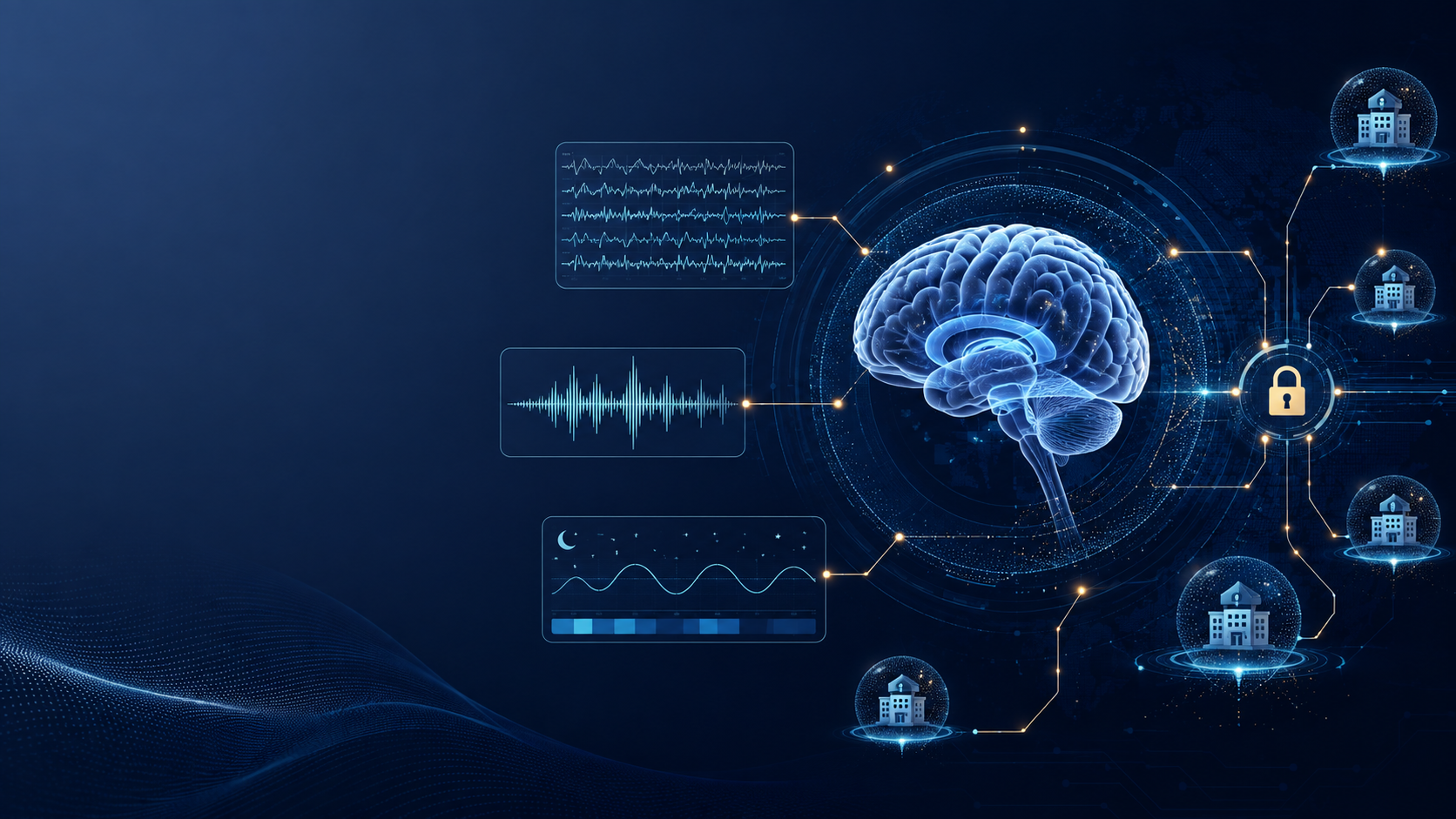
Anthropic's Claude runs server-side across clinical workflows as an assistive layer — every output is drafted for clinician review, never applied automatically.
AI features are assistive and clinician-reviewed. They run server-side with PHI protected, and they do not diagnose, decide treatment, or determine reimbursement. Suggested codes and scores support a clinician's judgment; the clinician accepts, edits, or rejects every output.
Built for neurobehavioral health and neurology together — not a general EMR with a psychiatric module bolted on.
| Feature | PatientTrac Mind | SimplePractice | Valant | TheraNest |
|---|---|---|---|---|
| AI Coding Suggestions | ✓ Assistive · clinician-reviewed | ✗ | Basic | ✗ |
| Validated Scale Library | ✓ License-aware library | 8 scales | 12 scales | 5 scales |
| Integrated Telehealth | ✓ Built-in · encrypted · Mod 95 | ✓ | ✓ | ✓ |
| No-Show Risk Scoring | ✓ Scored at booking | ✗ | ✗ | ✗ |
| DSM-5-TR Integration | ✓ All 20 chapters | ICD-10 only | ✓ | Partial |
| Neurology Documentation | ✓ Stroke · epilepsy · MS · more | ✗ | ✗ | ✗ |
| Real-time Insurance Eligibility | ✓ 270/271 EDI | ✓ | ✓ | Manual |
| AI Pre-Visit Intake | ✓ Chat + ICD suggestions | ✗ | ✗ | ✗ |
| EMR Heritage | ✓ Founded 1998 · clinician-built | ✗ | ✗ | ✗ |
| Multilingual (EN/ES/FR) | ✓ Full trilingual | ✗ | ✗ | ✗ |
No per-patient fees. No setup costs. No surprises. Start free for 14 days.
All plans include a 14-day free trial · HIPAA BAA available · Data export always included · Cancel anytime
PatientTrac Mind is a member of the PatientTrac Clinical Intelligence Network. Sibling apps share a common clinical record and encounter identity, so clinicians move between specialties on one patient story.
Join neurobehavioral health and neurology providers reducing documentation burden with PatientTrac Mind.